Visiting timetable09:00 AM – 10:00 PM
|Monday, October 12, 20261-1-2 Oshiage, Sumida City, Tokyo, Japan
Back to travel
comparison
Skytree vs Tokyo Tower vs Shibuya Sky – Compare
Compare Tokyo's top observatories by height, vibe, lines, and photography to choose your best view.
1/14/2026
14 min read
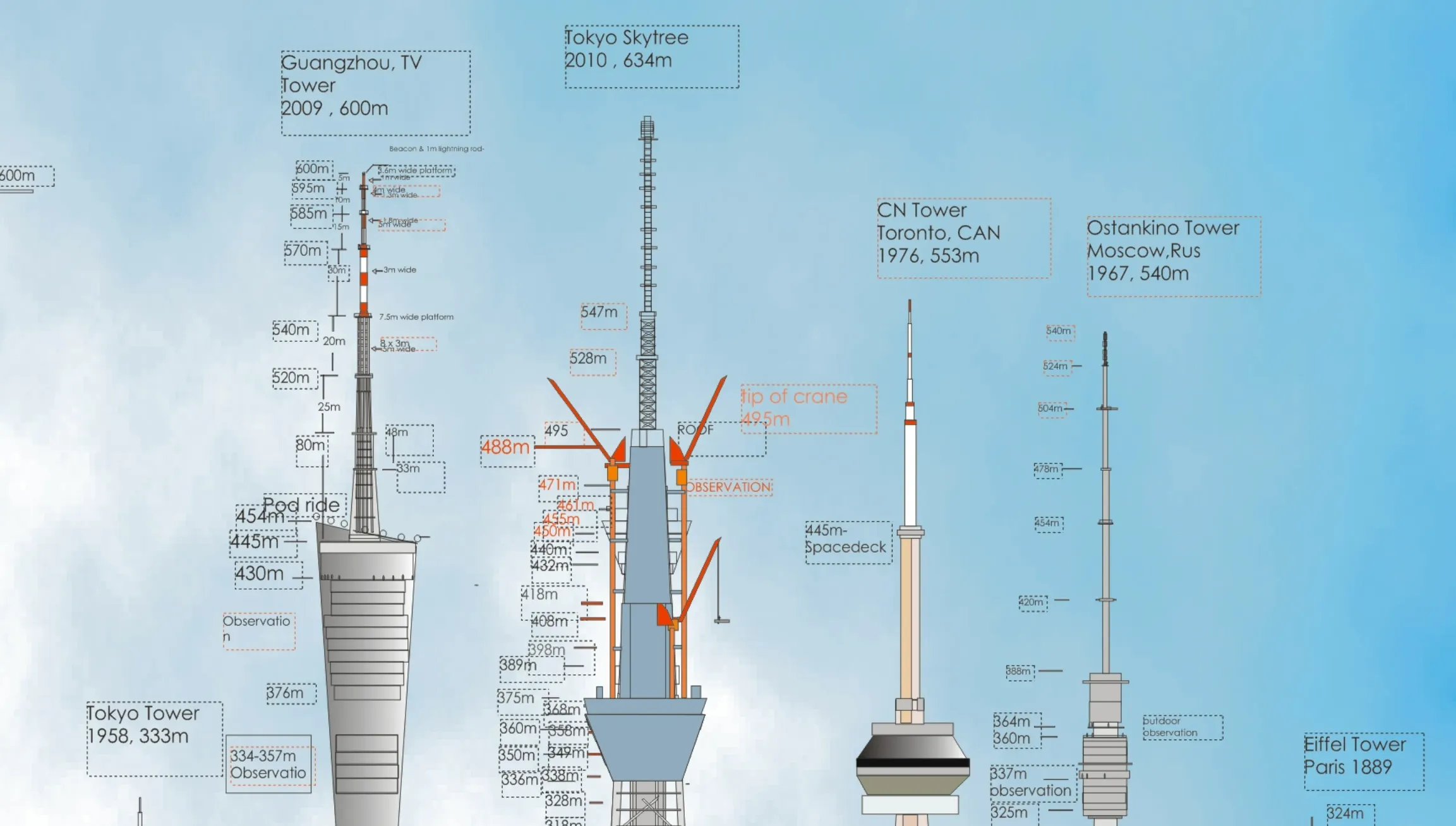
| Observatory | Height | Feel | Best For |
|---|---|---|---|
| Skytree | 350–450 m decks | Futuristic, vast | City grid + Fuji |
| Tokyo Tower | 150–250 m decks | Retro charm | Iconic red lattice |
| Shibuya Sky | Rooftop | Open-air | Street energy, crossings |
If you only pick one and want the broadest story of Tokyo's sprawl, choose Skytree.
Deep-Dive Compare
| Metric | Skytree | Tokyo Tower | Shibuya Sky |
|---|---|---|---|
| Max height | 450 m (Galleria) | 250 m | Rooftop deck |
| Open-air | No | Partial (top deck enclosed) | Yes |
| Glass quality | Modern, large panes | Older, some reflections | Minimal glass |
| Lines | Peak at sunset | Moderate | Booked time-slots |
| Neighborhood | Sumida/Asakusa | Shiba/Zojo-ji | Shibuya crossing |
| Photo vibe | Mega-grid, Fuji chance | Iconic red lattice | Street energy |
Choose By:
- Chasing Fuji → Skytree winter mornings.
- Icon shot + temple pairing → Tokyo Tower + Zojo-ji.
- Open-air rooftop energy → Shibuya Sky.
Stack Smart (1–2 Days)
Day 1 PM: Skytree sunset → blue hour
Day 2 AM: Tokyo Tower + Zojo-ji
Alt Night: Shibuya Sky after dinner for open-air frames
Camera Notes
Skytree: bring a rubber hood and cloth for glass. Shibuya Sky: lens wipes for rooftop mist. Tokyo Tower: mid-tele for lattice details.
About the Author

Tokyo Travel Expert
I built this Skytree guide to keep your visit simple, spacious, and full of small, helpful tips — from transport to timing to where to linger for the best light.
Tags
Comparison
Tokyo Tower
Shibuya Sky
Comments (0)
Leave a Comment
Loading comments...