Tokyo Skytree Seasons – Sakura to Winter Fuji
See how seasons transform Skytree views: cherry blossoms, autumn foliage, and winter Fuji visibility with timing tips.
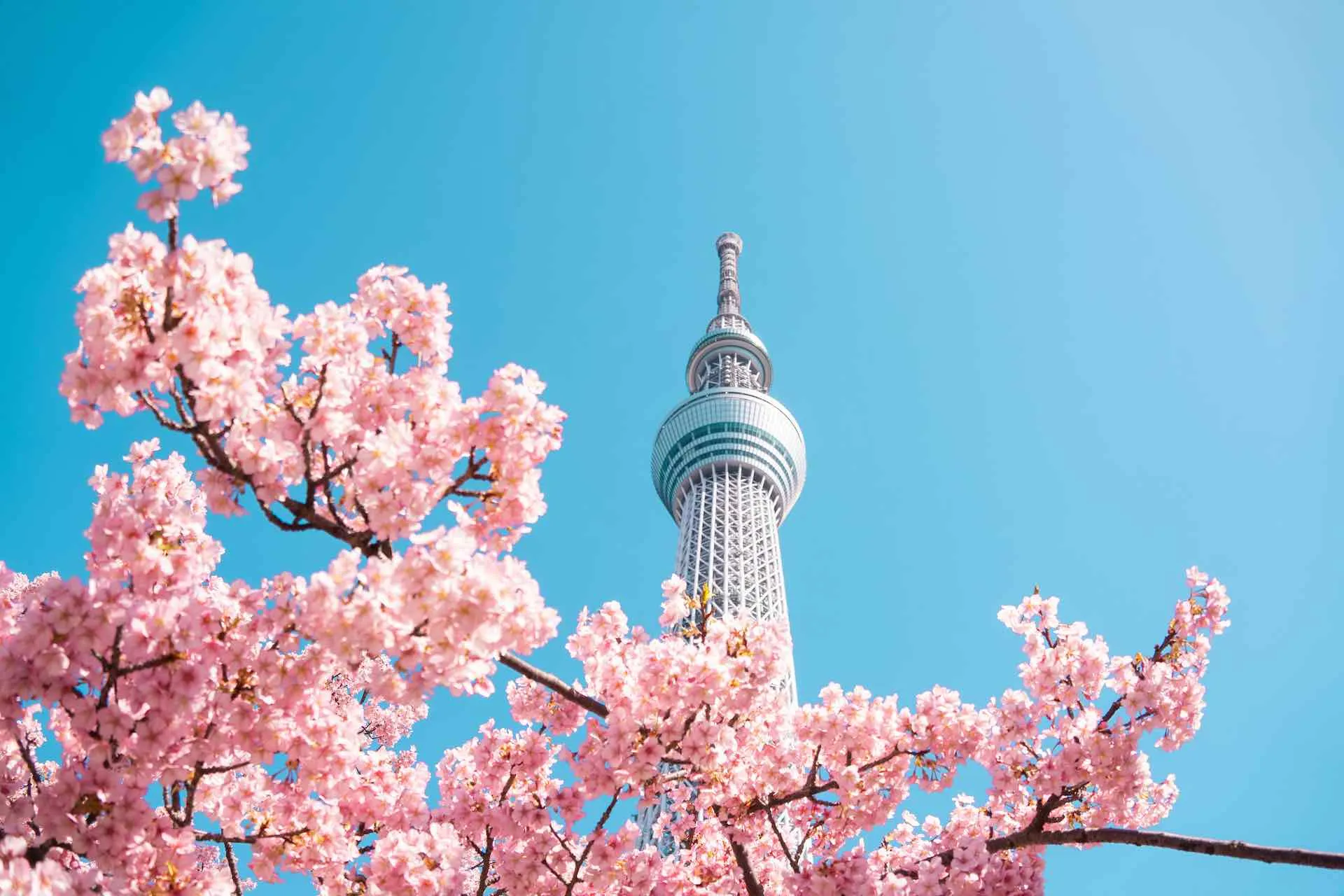
Tokyo wears four distinct looks from the Skytree. Use seasons to shape your plan, photos, and pairings nearby.
Season at a Glance
| Season | When | Light & Atmosphere | What Pops in Frame | Timing Sweet Spot |
|---|---|---|---|---|
| Sakura | late Mar–early Apr | Pastel skies, soft haze | Pink riverside lines at Sumida | Golden hour + blue hour |
| Summer | Jul–Aug | Hazy heat, thunder moods | Electric nights, storm clouds | Late night for neon |
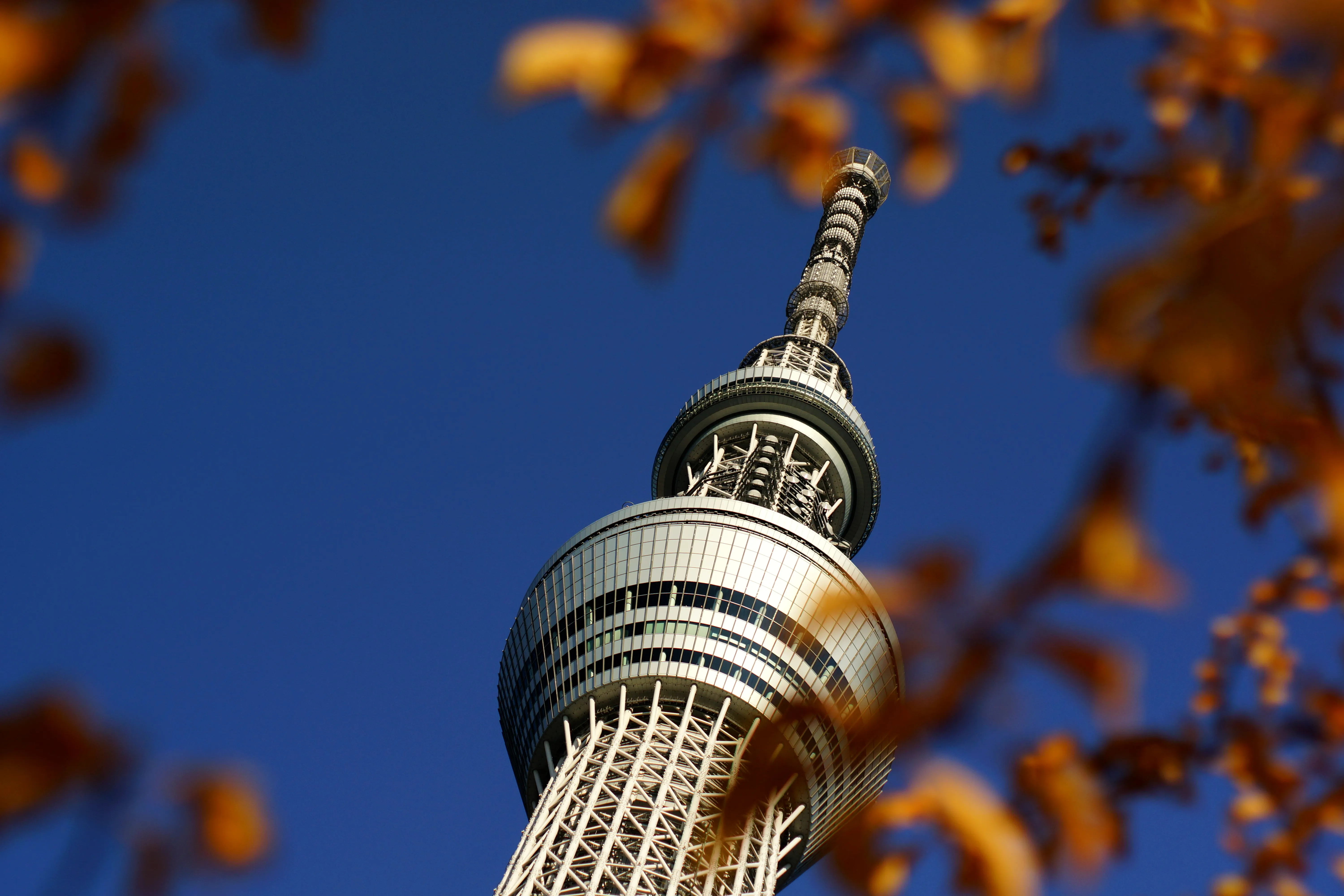
| Autumn | Oct–Nov | Clearer air, warm tones | Red maples, ginkgo rows | Late afternoon sun |
| Winter | Dec–Feb | Crisp, low humidity | Mt. Fuji silhouettes | Morning, post-cold front |
Forecast hack: after a rainy cold front the next morning often delivers the cleanest horizons.
Sakura Playbook (late Mar–early Apr)
- Frame pink rows along the Sumida from Tembo Deck facing northwest.
- Pair with a riverside stroll for ground-level blooms.
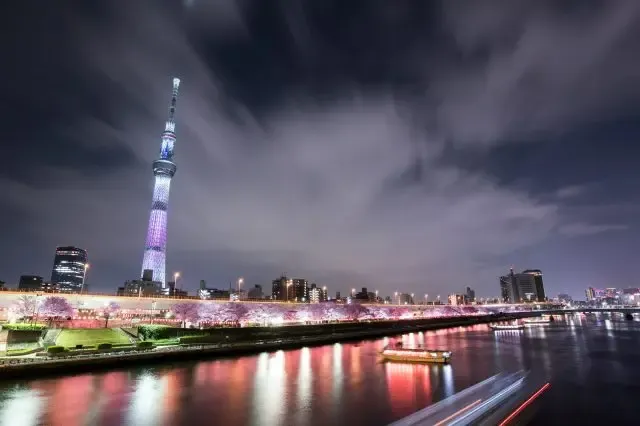
One-Hour Sakura Plan
15:30 Sumida Park portraits
16:15 Walk to Azumabashi bridge frames
17:00 Skytree Deck entry
17:30 Golden hour blossoms from above → blue hour city grid
Wind and Petal Fall
Breezy days shed petals fast. If a front is coming, go a day earlier.
Autumn Colors (Oct–Nov)
Golden ginkgo and red maples dot temple compounds and park rows. Look for warm side light.
Color Finder Table
| Area | What to Look For | Deck Orientation |
|---|---|---|
| Ueno–Yanaka | Temple canopies, patchwork parks | West–northwest |
| Sumida Park | Riverside rows, boats | North–west |
| Asakusa | Pagoda roofs among reds | West |
Winter Fuji (Dec–Feb)
The clearest air brings the highest Fuji odds. Bring a mid-tele lens or phone zoom.
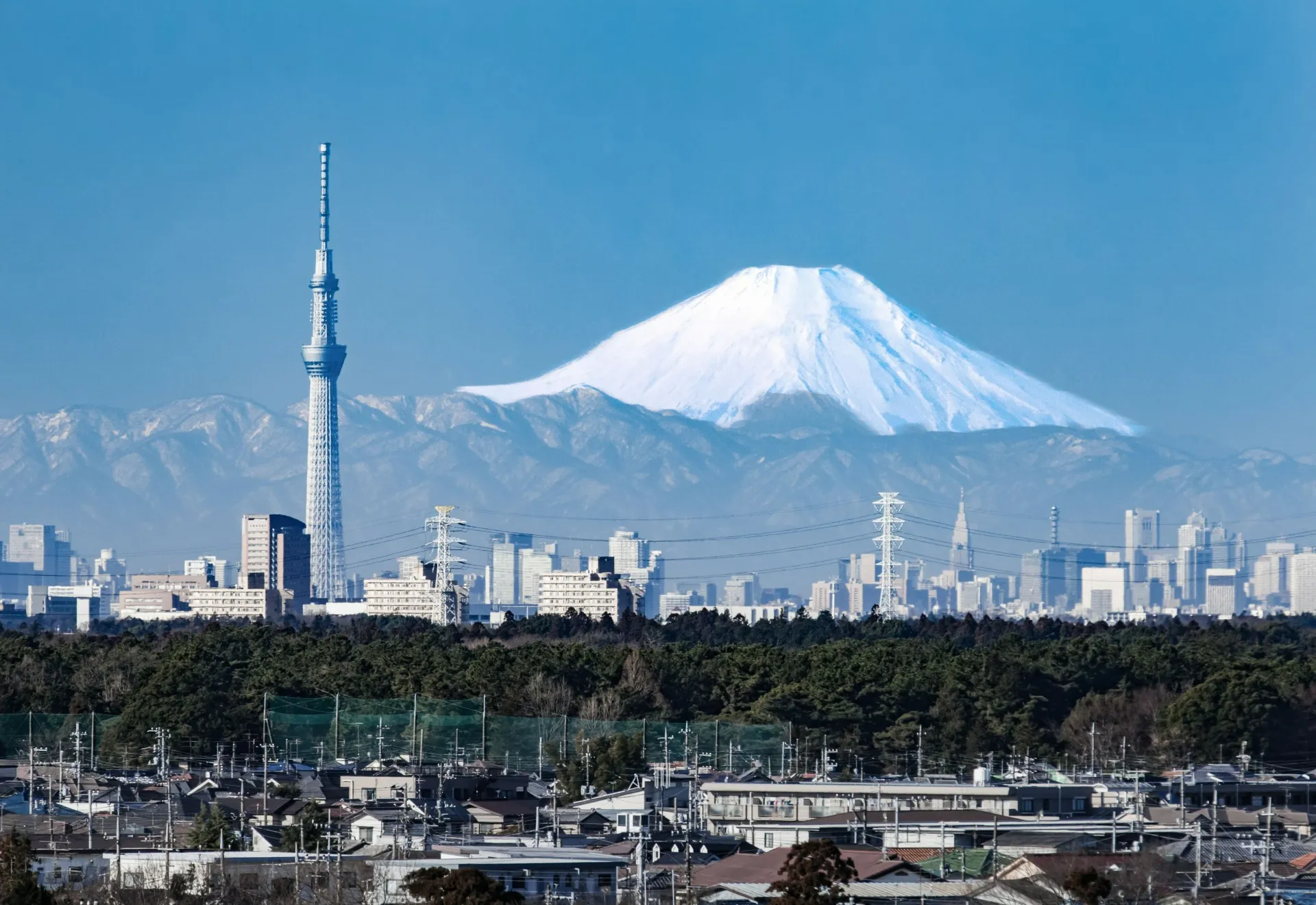
Fuji Quick-Check
- Northerly winds after a front
- Low PM2.5 readings
- Morning slots before heat haze builds
Summer Nights (Jul–Aug)
Hazy days, electric nights. Lean into reflections and long exposures.
Night Recipe
Neon grid: ISO 400–800, f/4–5.6, 1/5–1/10s (brace)
River reflections: ISO 100, f/8, 10–20s (tripod from bridge)
Seasonal Checklist
- Check forecast + air quality
- Match slot to seasonal perk
- Pack cloth to fight glass glare
- Plan a ground pairing (park, temple, river)
What if weather flips?
Shift to late-night neon or moody rain reflections. Blue hour still balances detail and color even under clouds.
About the Author

Tokyo Travel Expert
I built this Skytree guide to keep your visit simple, spacious, and full of small, helpful tips — from transport to timing to where to linger for the best light.
Tags
Comments (0)
Loading comments...